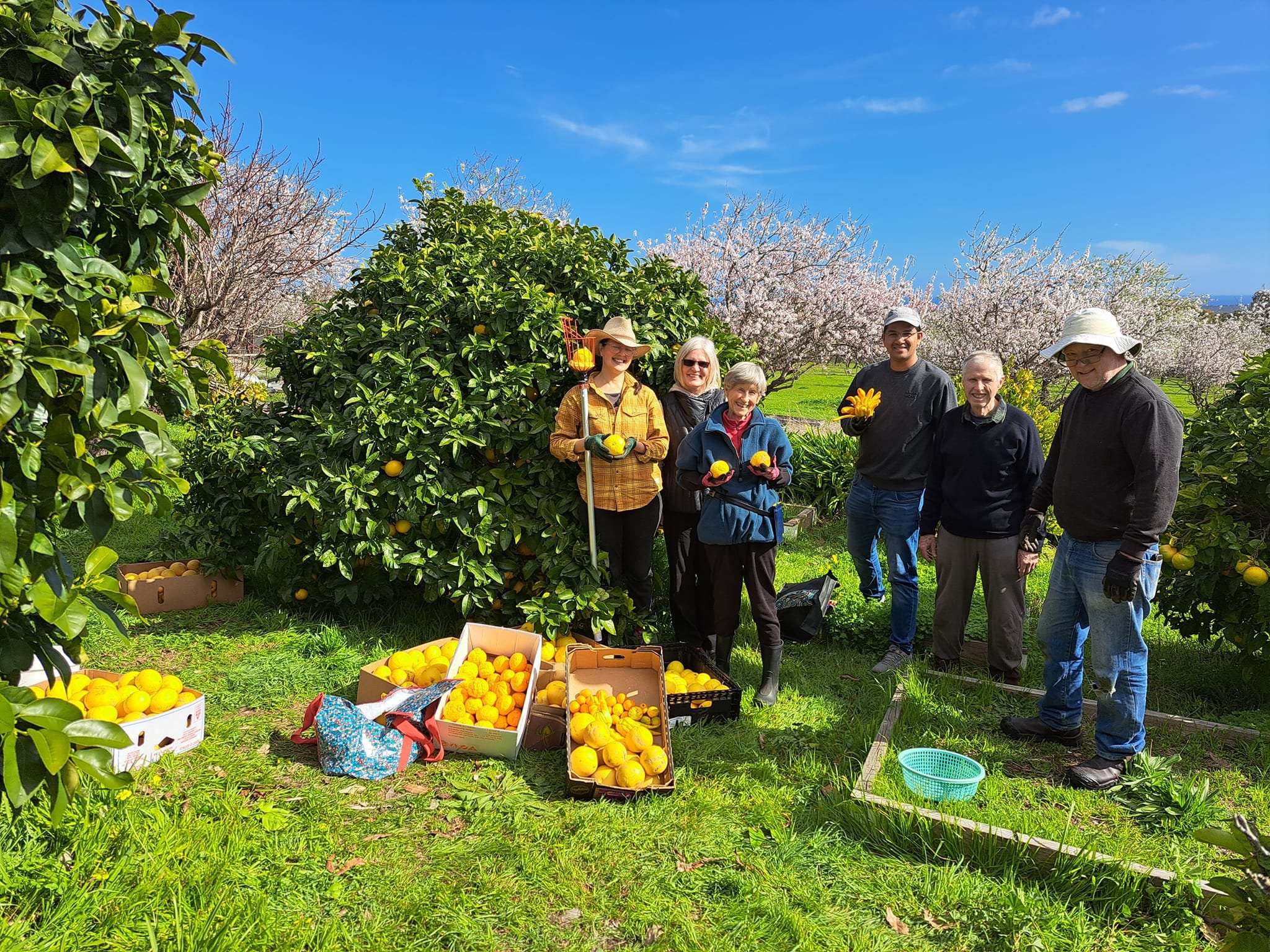
Why do some fruit trees thrive year after year while others struggle to produce a decent crop? The secret often lies in how we care for them during the cooler months. As winter approaches in Adelaide, it’s time to prepare our fruit trees for the challenging season ahead.
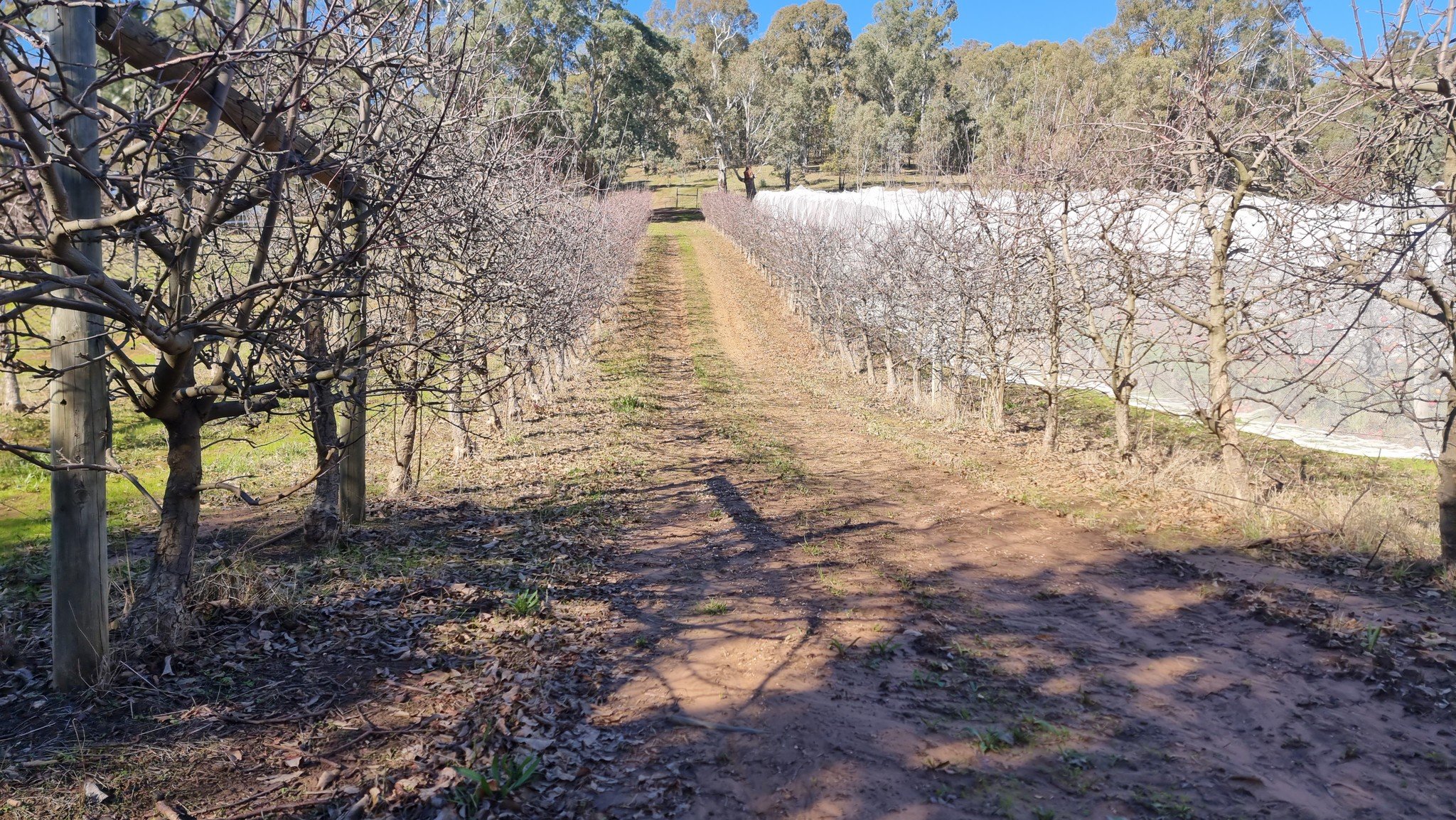
Essential Pre-Winter Maintenance
Think of autumn cleanup as your trees’ end-of-season health check. What’s lurking in those fallen leaves and forgotten fruit? Often, it’s a mix of potential problems and valuable nutrients.
While fungal spores, insect eggs, and disease-causing bacteria can hide in garden debris, healthy leaf litter also builds soil structure and returns nutrients to your trees. The key is selective cleaning – remove visibly diseased or pest-infested materials while allowing healthy leaf litter to decompose naturally or incorporating it into your mulch. This balanced approach gives your trees both protection from disease and the benefits of natural soil building.
Many Adelaide gardeners have various fruits at different stages this time of year. Regular harvesting prevents pest problems and reduces disease pressure on your trees.
Common seasonal fruits in our region include:
-
Apples: Late varieties like Granny Smith and Pink Lady
-
Pears: Winter Nelis and Beurré Bosc
-
Quinces: Usually ready by late autumn
-
Citrus: Many varieties are just beginning their main season, with early fruits starting to ripen
Remember that old gardener’s saying: “One rotting apple spoils the barrel”? The same principle applies to fruit left on or under your trees!
Protecting Against Diseases and Pests
Disease prevention starts with understanding what you’re up against. While fungal diseases seriously threaten fruit trees, effective control begins with good garden hygiene and natural preventative measures. Regular removal of fallen leaves, fruit, and debris eliminates disease harbourage, while improving air circulation through proper pruning creates an environment where fungal spores struggle to establish. Many Adelaide gardeners succeed with organic solutions like neem oil, milk sprays (1:10 ratio with water), and seaweed extracts that strengthen plants’ natural defences without introducing harsh chemicals to your garden ecosystem.
But physical protection is just as important as chemical treatments. Tree guards serve as vital armour against environmental and pest damage. They’re particularly crucial for young trees that haven’t developed tough bark yet, and they can prevent devastating damage from rabbits, possums, and even lawn equipment.
Choose from these effective options:
-
Rigid plastic guards: Perfect for young trees
-
Wire mesh cylinders: Ideal for protecting against rabbits and larger pests
-
Spiral guards: These grow with your tree and provide good airflow
-
But don’t forget to remove tree guards before the tree gets too big
-
Check solid tree guards are not harbouring snails, earwigs and slaters over winter
Bird management requires a comprehensive approach that goes beyond simple netting. Birds can strip a fruit tree bare in days, but they also play a vital role in pest control. The key is finding the right balance. Start by understanding which birds are causing problems and when they’re most active. Then, implement a mix of deterrents you can rotate throughout the season.
Effective bird management strategies include:
-
Bird netting (ensure it’s adequately tensioned to prevent entanglement)
-
Visual deterrents like reflective tape or old CDs
-
Decoy predators (though remember to move these regularly)
-
Sonic deterrents for more extensive gardens
Proper Autumn Watering
Don’t be fooled by cooler temperatures. Autumn in Adelaide often brings dry conditions that can stress your fruit trees just when they need to be building strength for winter. Proper watering now is crucial for tree health, successful dormancy, and strong flowering when spring arrives.
Remember, many Adelaide gardens have clay-rich soils that can become water-repellent (non-wetting) when allowed to dry out completely. Once this happens, water runs off rather than soaking in where roots need it. Signs your soil might struggle include:
-
Water pooling on the surface then running off
-
Dry soil just centimetres below a damp surface
-
Trees showing wilting or leaf curl despite recent rain
The solution? Deep, slow watering that reaches well below the surface. Use these techniques for best results:
-
Create a shallow basin around each tree extending to the drip line
-
Apply water slowly over several hours using drip irrigation or a hose set to a trickle
-
Add organic matter to improve soil structure and water retention
-
Consider using a wetting agent for particularly stubborn soils
A good rule of thumb: water deeply regularly during autumn rather than frequent shallow watering. This encourages roots to grow down rather than staying near the surface, creating stronger trees that can better withstand next summer’s heat.
When clay soils dry out they crack, go hard and plants have difficulty growing. To improve clay soils, add gypsum (1 kg per square metre). Gypsum will help break up the clay making it easier to dig in good organic materials. These steps may need to be repeated to reduce the soil becoming dry and hard.
Smart Soil Care and Mulching
Have you ever noticed how nature protects the soil in a forest? That’s what we’re aiming to replicate with proper mulching.
A good mulch layer acts like a protective blanket for your soil, regulating temperature, retaining moisture, and gradually breaking down to feed your trees. The key is getting the correct depth and placement – remember, think doughnut, not volcano!
Proper mulching technique makes all the difference. Keep the mulch about 10cm thick and pulled back from the trunk to prevent collar rot. When you do, it creates an ideal environment for beneficial soil organisms while suppressing weeds and maintaining consistent soil moisture.
Select quality materials that will break down slowly and contribute to soil health:
-
Aged wood chips
-
Straw (avoid hay as it often contains seeds)
-
Autumn leaves (maple and oak are excellent)
-
Composted bark
Winter Protection Strategies
Winter can be a tricky time for fruit trees in Adelaide. While we rarely face severe frosts, those sudden cold snaps can still do some damage, especially to young trees or early-flowering varieties. So, how do you give your trees a fighting chance against the chill?
Frost protection is key during those clear, still nights when temperatures take a nosedive. While commercial growers might use fancy frost protection systems like overhead sprinklers or wind machines, home gardeners can achieve great results with simple tricks.
Basic frost protection techniques include:
-
Wrapping trunks and main branches with hessian
-
Installing temporary covers on frost-prone nights
-
Using frost protection sprays
-
Placing water-filled containers near trees
But why do these methods work?
Wrapping trunks with hessian or using temporary covers provides insulation, traps heat, and protects sensitive bark from freezing.
Frost protection sprays create a barrier that prevents ice from forming on the plant tissue. And water-filled containers release heat as they freeze, which can help to keep the surrounding air temperature slightly warmer.
Don’t underestimate the power of location, either. Plant frost-sensitive trees in sheltered spots, such as near a wall or fence, which can provide some protection from the elements.
By taking these simple steps, you can help your fruit trees weather the winter and emerge stronger in the spring.
Pruning During Winter
Winter isn’t just a time for rest; it’s also an ideal opportunity to get your pruning shears out.
Think of winter pruning as giving your trees a haircut and setting them up for a fantastic fruiting season!
Start by removing the three D’s: dead, diseased, and damaged wood. This tidies up your tree and prevents potential problems from spreading.
Once that’s done, you’ll have a clearer view of the tree’s structure and can start shaping it for optimal growth.
Key pruning principles:
-
Recognise the difference between fruiting buds and leaf buds. Pruning too hard or taking out fruiting branches will reduce your harvest.
-
Make clean cuts at 45-degree angles
-
Remove crossing branches
-
Maintain balanced branch spacing
-
Keep tools sharp and clean
The goal is to create an open centre, so sunlight reaches all parts of the tree. Imagine a wine glass shape – this encourages good air circulation and ensures that fruit develops evenly. Remember, pruning isn’t just about aesthetics; it’s about promoting healthy growth and maximising your harvest.
By following these pruning tips, you’ll encourage vigorous new growth, improve fruit quality, and keep your trees in great shape for years to come.
Feeding for Future Growth
Have you ever wondered how to give your fruit trees that extra oomph for the coming spring? Winter feeding is the answer! Think of it as stocking up your tree’s pantry before the growing season. While things might look quiet above ground, the roots are still busy absorbing nutrients.
So, what should you feed your trees during autumn? the winter? Here’s a simple recipe to get you started:
-
Aged manure or compost: Spread it around the drip line to enrich the soil
-
Rock minerals: These add essential trace elements
-
Blood and bone: Great for nitrogen and phosphorus
-
Potash: Helps with fruit development
-
Liquid fertalisers are readily available to plants in autum.
Timing is everything! Apply your autumn feed while the soil is still warm enough for roots to actively take up nutrients. Try to feed your trees just before a light rain and when you are deep watering. That way, nutrients soak into the soil instead of washing away.
Also, remember that different trees have different needs. Citrus trees, for example, love nitrogen, while stone fruit trees benefit from extra potassium.
Not sure what your trees need? A soil test can give you some clues!
Planning Ahead
Winter isn’t just about hibernation for your trees; it’s also the perfect time for you to strategise! Think of it as planning your next garden adventure while your trees nap.
Start by asking yourself a few questions:
-
Are my trees healthy and productive?
-
Are they making good use of their space?
-
Could I add any companion plants to help them out?
Creating a maintenance calendar now can save you a lot of headaches later. Jot down when to prune, feed, and watch out for pests. Many gardeners are even using apps these days to keep track of everything. It’s like having a virtual gardening assistant!
Winter is also a fantastic time to dream about fresh additions to your garden.
You may have been eyeing a particular variety or want to try something new. Nurseries often have bare-root stock in winter, which can be a budget-friendly way to expand your collection. Just remember to jot down your plans so you know where everything will go!
From Autumn Care to Spring Success: A Final Word
Autumn may look like a slow season for the garden, but it’s a crucial time to prepare for a bountiful harvest. The work you do now – like pre-winter maintenance, frost protection, pruning, watering and feeding – is vital in ensuring your trees thrive.
Consider it this way: the time and effort you invest during autumn can lead to healthier and more productive trees in the seasons ahead.
Growing Community Through Fruit Share Adelaide